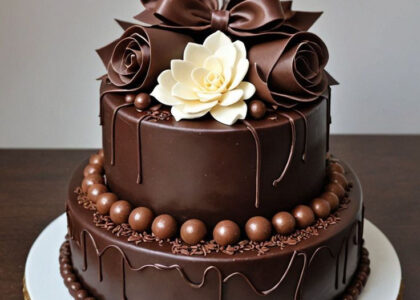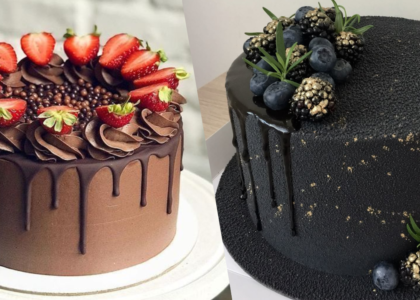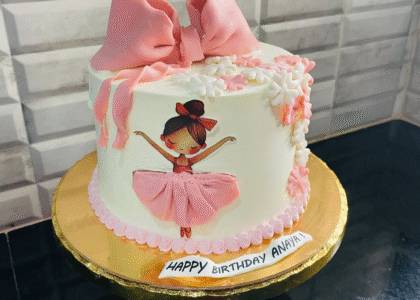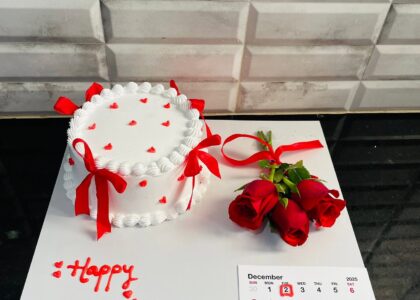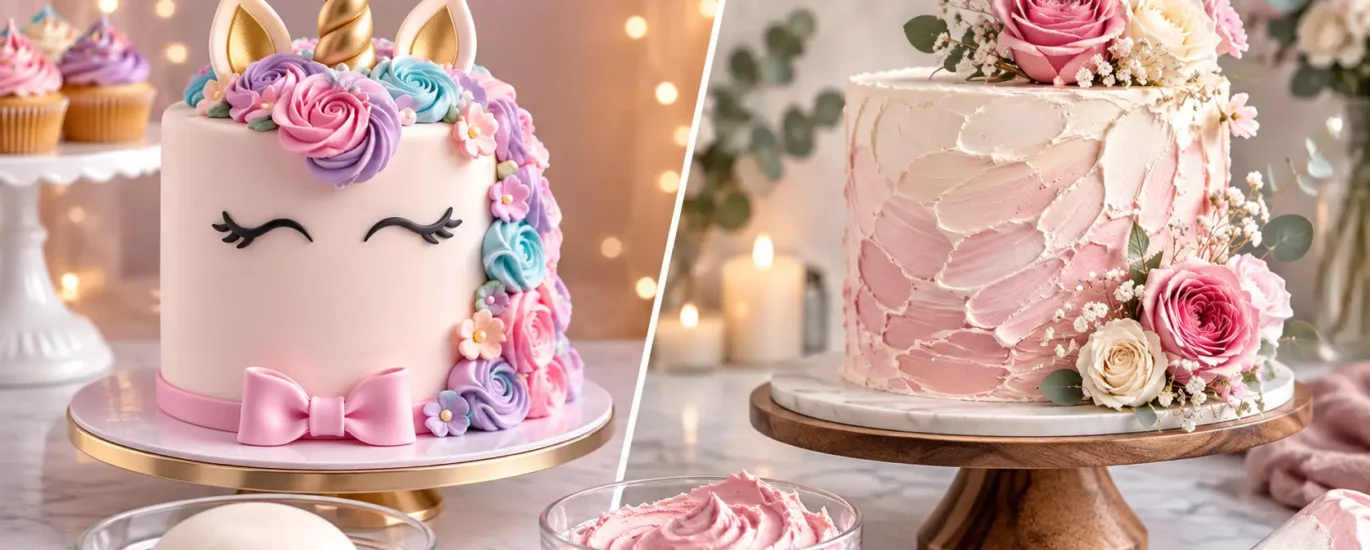
If you’re choosing between fondant vs buttercream for a custom cake, the honest answer is: neither one is universally better. Fondant gives you smooth, structured surfaces and sharp decorative detail. Buttercream gives you a softer, creamier finish — and it’s the one behind the textured, hand-finished look that more and more custom cake buyers in Bangalore are asking for. The right choice depends on your design, your occasion, and how the cake needs to travel.
This guide walks through what each finish actually is, how they compare on taste, texture and durability, why textured buttercream cakes are having a moment in 2026, and how to decide which one fits your celebration.
Quick Answer: Fondant vs Buttercream — Which Is Better?
Neither fondant nor buttercream is better in every situation. Fondant is usually the better choice for highly structured, smooth, or sculpted designs — think theme cakes, character cakes, or anything with sharp architectural lines. Buttercream is usually preferred for a softer, creamier finish, and it’s the finish behind most of the textured, rustic, and minimalist cake designs currently popular.
The right answer for your cake depends on:
- Taste — buttercream is generally perceived as more palatable in larger quantities; fondant is eaten in a thin layer
- Design — sculptural and 3D elements lean fondant; organic, hand-finished looks lean buttercream
- Texture goals — smooth and glassy vs. textured and tactile
- Occasion — formal and photographed vs. casual and shared
- Weather and handling — how far the cake travels and how long it sits out
- Budget — fondant work is typically more labour-intensive
What Is Fondant?
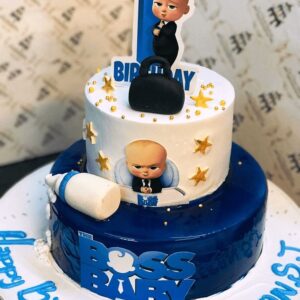
Fondant is a rolled sugar paste — a smooth, pliable icing that’s rolled out and draped over a cake, or sculpted into standalone decorative pieces. Once it sets, it gives a cake a clean, matte-to-satin surface with crisp edges, which is why it’s the go-to for cakes that need to look like a finished object rather than a frosted dessert: a football, a handbag, a cartoon character, a multi-tier wedding showpiece.
Advantages: structural strength for sculpted and 3D elements, sharp clean lines, holds colour and print work well, more heat-stable at room temperature than cream-based finishes for short periods.
Limitations: it’s a sugar-based icing, not a fat-based frosting, so on ankcakeland.in’s own frosting guide, it’s grouped with icings that can crack when a moist sponge is cut — worth knowing if you’re expecting a soft bite straight through the surface. It’s also generally perceived as sweeter and less “cakey” tasting than a buttercream finish, since most of what you taste in the first bite is the sugar paste itself.
What Is Buttercream?
Buttercream is a fat-based frosting — typically butter (or a butter-and-shortening blend) whipped with sugar, and sometimes egg whites depending on the style (American, Swiss meringue, French, or German buttercream). It’s soft, spreadable, and pipeable, and it’s what most people picture when they think of a “creamy” cake finish.
Buttercream isn’t limited to one look. It can be smoothed to a clean matte finish, piped into ruffles and rosettes, or — increasingly — applied with a palette knife or offset spatula to create deliberate texture: waves, swipes, brushstroke effects, and semi-naked finishes where the sponge shows through in places.
Advantages: softer, creamier eating experience; highly flexible finish from ultra-smooth to heavily textured; easier to adjust sweetness (a pinch of salt or espresso can cut sweetness, similar to the adjustment ankcakeland.in’s frosting guide describes for American buttercream on chocolate sponge).
Limitations: softer in warm conditions, so timing and storage matter more; less suited to sharp architectural shapes than fondant.
Fondant Cake vs Buttercream Cake — Comparison Table
Factor | Fondant Cake | Buttercream Cake |
Taste | Sweet, sugar-forward; thin layer | Creamy, richer mouthfeel; varies by recipe |
Texture | Smooth, firm, slightly chewy | Soft, spreadable, can be smooth or textured |
Appearance | Polished, sculptural, uniform | Organic, hand-finished, varied |
Smooth finish | Very achievable | Achievable, needs skilled technique |
Textured finish | Not typical | Its natural strength |
Intricate designs | Strong — logos, figures, sharp lines | Possible but less precise |
Sculpted decorations | Strong — 3D shapes, structure | Limited — softer, less rigid |
Sweetness | Generally higher | Adjustable, generally more balanced |
Customization | High for shape and print | High for colour, texture, and finish style |
Handling | More heat-tolerant short-term | More temperature-sensitive |
Suitable occasions | Themed, character, formal showpiece cakes | Birthdays, minimalist, textured, everyday celebration cakes |
Modern cake trends | Classic, structured designs | Textured, rustic, semi-naked, monochrome |
Bangalore climate | Depends heavily on transport time and storage — see below | Depends heavily on transport time and storage — see below |
Note: taste, sweetness and handling depend on the specific recipe, the baker’s technique, and how the cake is stored — these are general tendencies, not fixed rules.
Fondant vs Buttercream — Which Tastes Better?
Taste is genuinely subjective, and it depends more on the specific recipe than on the category itself. That said, a few patterns hold up consistently: buttercream is generally seen as more enjoyable to eat in a full slice, since it’s a soft, dairy-based frosting rather than a firm sugar paste. Fondant is eaten in a thin outer layer, so its flavour matters less than its role as a canvas for design — most people are tasting the sponge and filling underneath, not the fondant itself.
On chocolate cakes especially, a well-made buttercream (or a ganache, ermine, or cream cheese frosting) tends to complement the sponge rather than compete with it. On vanilla or fruit-based cakes, a light fondant layer can work well without overwhelming the flavour, provided the rest of the cake isn’t already very sweet.
So when people ask “fondant vs buttercream which is better” for taste specifically — buttercream usually wins for the eating experience, while fondant wins for how the cake looks when it arrives.
Which Is Better for Bangalore Weather?
Neither finish is automatically “weatherproof” — cake stability comes down to recipe, filling, storage, transport time, and how long the cake sits out before it’s cut, not just which frosting is used.
A few practical points worth knowing before you order:
- Transport time matters more than the finish itself. A short AC drive is very different from a longer journey without cooling, regardless of whether the cake is fondant or buttercream.
- Buttercream is generally more temperature-sensitive than fondant over a few hours at room temperature, particularly in direct sun or humid conditions.
- Fondant holds its shape well for short periods at room temperature but can sweat or soften if refrigerated and then brought back out too quickly.
- Textured and semi-naked buttercream finishes are somewhat more forgiving visually than a flawless smooth finish — a slight softening reads as “textured” rather than “melted.”
If your event involves outdoor delivery, a long wait before cutting, or peak-afternoon heat, it’s worth mentioning that upfront when you place your order so the design and finish can be planned around it.
Why Textured Cakes Are Trending in 2026
Modern cake design is increasingly moving away from perfectly smooth, uniform surfaces and toward finishes that look handcrafted: palette-knife texture, rustic swipes, semi-naked cakes where the sponge peeks through, subtle monochrome tones, and natural accents like edible flowers or a light chocolate drip. Many customers looking for a contemporary custom cake are drawn to this look because it feels less like a factory-made dessert and more like something made specifically for them.
Part of the appeal is practical: textured buttercream hides small imperfections more forgivingly than a flawless fondant surface, which takes pressure off getting every edge perfectly sharp. Part of it is aesthetic: a textured or semi-naked finish photographs well without looking overly staged, which matters for cakes that are going to be shared on Instagram before they’re cut.
None of this means fondant is going out of style — for character cakes, elaborate theme cakes, and sculptural designs, it’s still the right tool. But for birthdays, anniversaries, and everyday celebration cakes, textured buttercream is increasingly the finish customers are asking for by name, even if they don’t always know the term for it — they’ll usually just say “the rustic one” or send a Pinterest reference.
When Should You Choose Fondant?
Fondant tends to make the most sense when:
- You want a highly detailed, themed, or sculpted theme cake — cartoon characters, logos, 3D shapes
- The design calls for a very smooth, uniform surface
- You need sharp printed or painted detail on the cake surface
- The cake includes standalone edible decorative elements that need to hold their shape
When Should You Choose Buttercream?
Buttercream tends to make the most sense when:
- You want a soft, creamy eating experience alongside the visual finish
- The design is textured, rustic, semi-naked, or minimalist
- You’re going for a modern, hand-finished look rather than a polished showpiece
- The cake needs to feel approachable rather than formal — most birthday and everyday celebration cakes fall here
Fondant vs Buttercream for Different Cake Occasions
Birthday Cakes
Buttercream is generally the more popular choice for birthday cakes — it’s easier to eat a full slice of, works well with textured or piped designs, and suits both kids’ theme cakes and adult minimalist styles. Fondant comes in for character or theme elements layered on top of a buttercream base.
Anniversary Cakes
Both work well, and the choice often comes down to formality. A textured buttercream finish suits a softer, romantic look, while fondant supports more elaborate designs like tiered anniversary and wedding cakes with sculptural or monogram detailing.
Wedding / Engagement Cakes
This is where fondant’s structural strength is most useful, especially for multi-tier cakes that need to hold their shape through a longer event. Buttercream is increasingly chosen for smaller, more intimate wedding or engagement cakes going for a softer, textured aesthetic rather than a formal showpiece.
Corporate Cakes
Corporate cake orders often need logos, brand colours, or precise text — areas where fondant’s clean surface and print capability tend to work better. A textured buttercream base with a smaller fondant logo plaque is a common middle ground.
Kids’ Theme Cakes
Fondant is generally favoured here for character shapes and bright, structured designs that need to survive a party table for a few hours.
Minimalist Cakes
Buttercream is the default choice — clean or lightly textured finishes, muted tones, and a softer overall look are difficult to achieve with fondant.
Can You Combine Fondant and Buttercream?
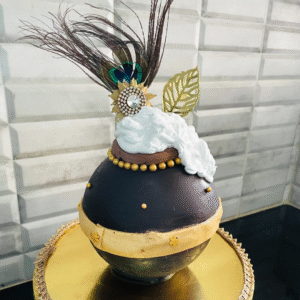
Yes, and it’s a common approach for custom cakes. A typical combination uses buttercream as the base layer — for taste, texture, and an even crumb coat — with fondant used for specific decorative elements: a smooth cake board covering, sculpted toppers, printed plaques, or structural pieces that need to hold their shape. This gives you the creamy eating experience of buttercream with the precision of fondant exactly where it’s needed, rather than covering the entire cake in one or the other.
Ank Cake Land’s two-tier chocolate truffle cake ideas post is a good example of how mixed-finish tiered cakes come together in practice.
How Much Does the Choice Affect Cake Price?
Pricing depends on far more than fondant vs. buttercream alone — flavour, weight, number of tiers, complexity of decoration, handmade or figurine work, and delivery requirements all factor in. As a general pattern, fondant work tends to add more to the cost than a comparable buttercream finish, since sculpting and smoothing fondant is more time- and skill-intensive than piping or texturing buttercream. But this varies by design, so it’s not a fixed rule.
For a full breakdown of what actually drives custom cake pricing in Bangalore, that guide covers it in detail. For your specific design, the most accurate way to get a number is to share your reference image on WhatsApp and ask for a quote.

How to Choose the Right Finish for Your Cake
A simple way to decide:
Choose fondant if you prioritize:
- Structured, sculptural, or character designs
- A very smooth, uniform surface
- Sharp printed or painted detail
Choose buttercream if you prioritize:
- A creamy, softer eating experience
- Textured, rustic, or minimalist visual style
- A hand-finished, modern look
Choose a combination if:
- You want a creamy base with structured decorative elements
- Your design needs both visual detail and a softer overall finish
If you’re still unsure, that’s normal — most customers are. It’s exactly the kind of decision Ank Cake Land talks through as part of building a fully custom cake, rather than something you need to figure out alone before reaching out.
Ready to Choose Your Cake Finish?
You don’t need to lock in fondant or buttercream before you get in touch — most customers figure it out together with the baker once the design is clearer. To get started, send over:
- A reference image (Pinterest, Instagram, or even a rough sketch)
- The occasion and number of guests
- Your preferred flavour
- Any finish preference, if you already have one
- Your delivery date
Chat with Ank Cake Land for a custom cake quote
Not sure whether fondant or buttercream will work better for your design? Share your reference on WhatsApp and the team can help you decide based on the design, occasion, and timeline.
FAQs
Is fondant better than buttercream?
Neither is universally better — they serve different purposes. Fondant is stronger for structured, sculptural, or highly detailed designs. Buttercream is generally preferred for a softer eating experience and for textured, modern finishes. The right choice depends on your design and occasion.
Which tastes better, fondant or buttercream?
Most people find buttercream more enjoyable to eat in a full slice, since it’s a soft, dairy-based frosting rather than a firm sugar paste. Fondant is eaten in a thin outer layer, so its role is more visual than about flavour — the taste of the cake underneath matters more.
What is the difference between a fondant cake and a buttercream cake?
A fondant cake is covered in a rolled, smooth sugar paste that gives sharp, sculptural results. A buttercream cake is covered in a fat-based, pipeable frosting that can be smooth or deliberately textured, and generally has a softer, creamier eating experience.
Is buttercream good for textured cakes?
Yes — textured finishes like palette-knife swipes, rustic strokes, and semi-naked styles are buttercream’s natural strength. Fondant is a firm, smooth surface and isn’t typically used for textured effects.
Which is better for a custom birthday cake?
Buttercream is generally the more popular choice for birthday cakes, particularly for textured or minimalist designs. Fondant is often layered on top for specific theme or character elements.
Can a cake have both fondant and buttercream?
Yes, this is a common approach. Buttercream is used as the base layer for taste and texture, while fondant is used for specific decorative or structural elements like toppers, plaques, or smooth accents.
Which cake finish is better for Bangalore weather?
Neither finish is automatically weatherproof — stability depends on recipe, filling, storage, and how long the cake travels before it’s cut. Buttercream is generally more temperature-sensitive over several hours at room temperature; fondant holds its shape well short-term but can sweat if refrigerated and brought out too quickly.
Are fondant cakes sweeter than buttercream cakes?
Generally, yes — fondant is a sugar-based icing and tends to taste sweeter and more sugar-forward than a well-balanced buttercream, though this varies by specific recipe.
Which is better for an elegant minimalist cake?
Buttercream is usually the better fit — smooth or lightly textured buttercream finishes achieve a clean, understated look that’s difficult to replicate with fondant’s firmer surface.
How do I choose between fondant and buttercream for a custom cake?
Start with your design and occasion. If you need sharp, sculptural, or highly detailed work, lean fondant. If you want a softer, textured, or minimalist look, lean buttercream. If you want both, a combination is common. Sharing a reference image is the fastest way to get a specific recommendation.