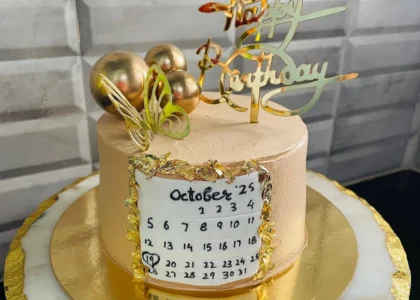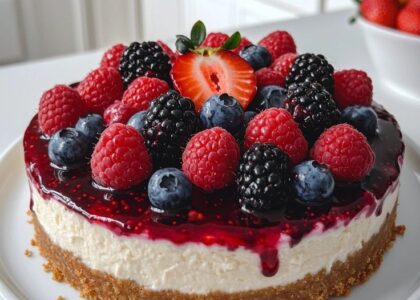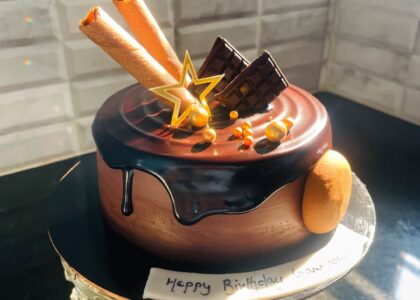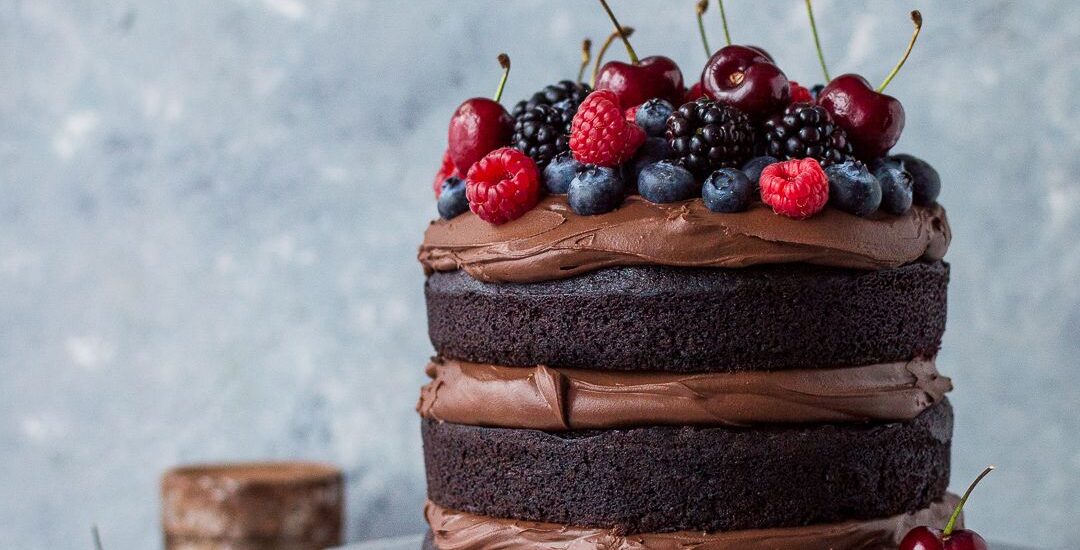
My mausi was diagnosed with Type 2 diabetes three years ago. And honestly, the hardest part for our family wasn’t the diet changes or the medication schedule. It was her birthday.
Every year, we’d get her this huge Black Forest from a shop near her house in Jayanagar. She’d eat exactly one slice and spend the next few days dealing with the consequences. So two years ago, I decided to figure out a sugar-free birthday cake that didn’t taste like a punishment. I failed the first time. Badly. The cake was dry, had a strange metallic aftertaste from the stevia, and nobody ate it except my dog.
But I kept trying. And now? We make sugar-free cakes at Ank Cake Land regularly — for diabetic family members, for people watching their weight, for customers who just don’t want the sugar without sacrificing the experience of eating cake.
This recipe is everything I learned condensed into one place. It works. The cake is moist. It doesn’t taste “diet.” And your family will eat it without needing to be told it’s sugar-free — unless you want the credit, in which case, tell them immediately.
First — Why Does Sugar-Free Cake Even Matter?
Look, refined sugar in cake isn’t just empty calories. For someone managing diabetes, blood sugar spikes from a slice of regular cake can genuinely affect how they feel for hours after. A diabetes cake made with the right sweeteners avoids that spike almost entirely.
But beyond diabetics, a lot of people are just trying to eat better. Less sugar, more awareness of what’s going on. A good sugar-free cake recipe gives you the celebration without the regret.
And honestly? Once you nail this, you’ll start making it even when nobody’s diabetic. That’s where I’m at now.
What You Need — Ingredients (Keep These Handy)
Dry Stuff
- 1.5 cups whole wheat flour — or almond flour if you want lower carbs (almond flour gives a denser, richer crumb)
- Half cup unsweetened cocoa powder — only if you’re making the chocolate version, which I’d recommend for a first attempt, because the chocolate covers a lot of imperfections
- 1.5 tsp baking powder
- Half tsp baking soda
- A good pinch of salt — don’t skip this, it actually amplifies sweetness
- Three-quarter cup of your chosen sweetener, powdered — more on this below
Wet Stuff
- 3 eggs — or flax eggs if you need it eggless (1 tbsp flaxseed powder + 3 tbsp water, left to sit for 5 minutes until it gels)
- Half a cup of plain curd — this is the ingredient that makes the difference between a dry, crumbly sugar-free cake and a genuinely soft one. Don’t skip it.
- One-third cup neutral oil — refined oil works fine, coconut oil adds a slight flavour
- 1 tsp vanilla extract — the real stuff, not the essence
- Half cup warm water or milk
Tip: I’ve tried this recipe without the curd and with the curd. The difference is not subtle. The curd reacts with the baking soda and creates bubbles that lighten the batter from the inside. Skip it, and your cake will be edible but not great.
The Sweetener Question — This Part Actually Matters
When people ask me about sugar-free cake recipes, this is always where the conversation gets complicated. Because not all sweeteners behave the same way in baking. Some work beautifully. Some leave an aftertaste that no amount of frosting can hide.
Here’s what I’ve actually used and what happened:
Sweetener | Good For | What to Know |
Erythritol (powdered) | Diabetic cake recipes, most baking | No aftertaste, zero glycemic impact. Best all-rounder. |
Stevia powder | Light sponges, tea cakes | Very potent. Use half of what you think. Easy to over-sweeten. |
Jaggery powder | Brown, rustic cakes | Not zero-sugar but lower GI. Good if you just want to cut refined sugar. |
Coconut sugar | Moist, caramel-flavoured cakes | Lower GI than white sugar. Still has sugar — not suitable for strict diabetic diets. |
Monk fruit sweetener | Everything — genuinely the best | Hard to find in local stores, easy to order online. Worth the effort. |
My honest pick: erythritol for most cakes, monk fruit if you can get it. For my mausi’s birthday cake specifically, I use erythritol because it behaves most like regular sugar in terms of texture and moisture. The cake browns properly, the crumb is consistent, and there’s no weird cooling sensation that some people notice from erythritol in raw preparations.
One more thing — always use powdered sweetener, not granulated. Granulated erythritol doesn’t dissolve properly in a cake batter, and you can end up with a slightly gritty texture. Takes 30 seconds to powder it in a mixer. Do it.
How to Actually Make the Cake — Step by Step
Step 1: Get Your Oven Going
170°C. That’s the temperature. Not 180, not 160. Sugar-free cakes — especially ones made with alternative flours — can dry out faster at higher temperatures. Grease your cake tin, line the bottom with baking paper if you have it, and keep it ready before you mix anything. Rushing to prep the tin after the batter is ready is how air escapes from your carefully made batter.
Step 2: Sift the Dry Ingredients
In a big bowl, sift together your flour, cocoa powder, baking powder, baking soda, salt, and powdered sweetener. Sifting sounds like an unnecessary step that old recipes insist on. It’s not. Especially with cocoa powder, which clumps badly and creates pockets of bitterness if not evenly distributed. One minute of sifting, done.
Step 3: Mix the Wet Ingredients in a Separate Bowl
Whisk your eggs (or flax eggs) with the curd, oil, and vanilla. Then pour in the warm water or milk and give it another good mix. Warm liquid matters here because cold liquid can make the curd seize up slightly and cause the batter to look curdled when you combine. Not catastrophic, but warm is better.
The mixture should look smooth and uniform. If you see little streaks of oil floating on top, whisk more.
Step 4: Combine — But Gently
Pour the wet bowl into the dry bowl. Not the other way around. And then fold. Not beat, not stir vigorously — fold. Use a spatula and do big, slow strokes until you can’t see dry flour anymore.
Over-mixing is one of the most common reasons homemade cakes turn out dense. When you mix too hard, gluten develops, and the cake becomes chewy and tight. Mix just until combined and stop. The batter will look thick but pourable. That’s right.
Step 5: Into the Tin, Into the Oven
Pour the batter into your prepared tin. Smooth the top with the back of a spoon. Then do this — hold the tin about 2 inches above the counter and drop it. Do this 2-3 times. It sounds weird,d but it releases large air bubbles trapped in the batter that would otherwise create holes in your finished cake.
Bake for 30 to 40 minutes. Start checking at 30 minutes with a toothpick in the centre. If it comes out clean, you’re done. If there’s wet batter on it, give it 5 more minutes. Don’t keep opening the door — every time you open it in the first 25 minutes, you risk the cake sinking.
Tip: Sugar-free cakes made with erythritol may look slightly underdone on top because erythritol doesn’t caramelise the way sugar does. Go by the toothpick, not the colour.
Step 6: Cool It. Properly.
10 minutes in the tin, then out on a wire rack. And then just leave it. Walk away. Make tea. Come back in 45 minutes.
I know it’s sitting there looking perfect, and you want to frost it. But frosting a warm cake is a guaranteed mess. The frosting melts, slides, and the cake crumbles at the cut edges. Cool cake = clean slices = better photos = people believe you know what you’re doing.
Three Frostings That Actually Work on a Sugar-Free Cake
1. Dark Chocolate Ganache — My Personal Favourite
Take 100 grams of dark chocolate — 80% cocoa or above — and break it into a bowl. Heat 100ml of fresh cream until it just starts to bubble at the edges (not a full boil), then pour it over the chocolate. Let it sit for 2 minutes, then stir from the centre outward in slow circles until it becomes glossy and smooth.
Let it cool at room temperature until it thickens enough to spread. This ganache has almost no added sugar (the chocolate itself has a small amount), and it tastes so deeply chocolatey that nobody thinks about what’s missing. This is what I put on my mausi’s birthday cake. She had three slices. No issues.
2. Whipped Cream with Fruit
Whip 200ml of cold heavy cream with a small amount of powdered erythritol and a splash of vanilla until it holds stiff peaks. Spread it between layers and on top, then cover with whatever fruit makes sense for the occasion — mangoes in summer, strawberries any time, or even some pomegranate seeds if you want it to look fancy with minimal effort.
This frosting doesn’t travel well or sit at room temperature for long, so save it for cakes you’re eating the same day.
3. Cream Cheese Frosting
Beat 200 grams of room temperature cream cheese (Dlecta works fine, Philadelphia if you can find it) with 2 tablespoons of powdered erythritol and half a teaspoon of vanilla. That’s it. It’s tangy, creamy, and pairs perfectly with a vanilla or spiced sponge. Tastes nothing like “health food.”
Things I Wish Someone Had Told Me Earlier
Don’t reduce the oil, thinking you’re making it healthier. In an anise-sugar cake, fat is doing double duty on texture and moisture. Cut it, and the cake suffers.
Add a teaspoon of instant coffee powder to any chocolate batter. You won’t taste coffee, but the chocolate flavour becomes noticeably deeper. I don’t fully understand the chemistry of it, but I just know it works.
Take your eggs and curd out of the fridge 30 minutes before you bake. Room temperature ingredients incorporate better and give you a more even crumb.
If the cake sinks in the middle — and it happens to everyone at some point — the most common reasons are too much baking powder, opening the oven door too soon, or underbaking. Go through that list before blaming the sweetener.
For a diabetic friendly cake that needs to travel or sit at a table for a few hours, ganache is the safest frosting. Cream-based frostings need refrigeration, and they don’t hold up in Bangalore’s heat at all.
Can You Make This Eggless?
Yes. And it comes out well. At Ank Cake Land we get a lot of orders for cakes that are both sugar-free and eggless simultaneously, so we’ve worked through this combination many times.
Use one tablespoon of flaxseed powder mixed with three tablespoons of water for each egg. Let the mix sit for five minutes — it becomes a thick gel that binds the batter the way an egg would. The curd in the recipe also helps with structure, so the eggless version doesn’t fall apart.
The texture is very slightly denser than the egg version, but honestly, not enough to matter. Most people can’t tell.
How Long Will It Keep?
Unfrosted, in an airtight box — two days at room temperature, up to five in the fridge. If you’ve frosted it with ganache, refrigerate it and eat within three days. Whipped cream frosting should really be eaten the same day.
You can freeze unfrosted sponge layers, wrapped tightly in cling film, for up to a month. Just thaw on the counter for a couple of hours before frosting.
Frequently Asked Questions
Is this actually safe for someone with diabetes?
If you use erythritol or monk fruit and a lower-carb flour like almond flour, yes, this cake has a very low glycaemic impact. That said, every person’s blood sugar response is individual. If someone in your family is managing diabetes seriously, it’s worth checking with their doctor once before making this a regular thing. But in general, yes, this is what a proper cake for diabetics looks like.
What is the best cake for diabetics overall?
Anything that avoids refined sugar and refined flour is a step in the right direction. Specifically, cakes made with almond flour, erythritol or monk fruit sweetener, and high-cocoa dark chocolate frosting are the most genuinely diabetic-friendly. The chocolate actually helps here — dark chocolate has a much lower glycaemic impact than milk chocolate.
Can I make a sugar-free birthday cake with this recipe?
That’s exactly what I make for my mausi every year now. Two layers, ganache in between and on top, some fresh raspberries if I can find them. It looks like a proper celebration cake because it is one. No one at the table has ever said it tasted like a diet version of anything.
What makes a sugarless cake different from a regular one?
Mostly the sweetener and sometimes the flour. Everything else — the eggs, oil, yoghurt, baking powder — stays the same. The technique is identical. The difference is just in what you’re using to add sweetness, and with the right substitutes, the eating experience is genuinely comparable.
Where can I order a sugar-free cake in Bangalore without making it myself?
At Ank Cake Land, we make custom sugar-free and eggless cakes for birthdays, festivals, and gifting. We use quality sweetener alternatives, and the cakes are made fresh to order. You can reach us at ankcakeland .in to place an order or ask questions.
WhatsApp: +91 93430 44650 | Delivery: HSR Layout, Koramangala, BTM, Indiranagar, Bellandur, Marathahalli.
My sugar-free cake came out dry. What went wrong?
Three possible reasons: overbaked (even 5 minutes too long can do it with alternative flours), not enough fat (if you reduced the oil), or no curd in the recipe. Check all three. The curd fix alone solves most dryness complaints with this kind of recipe.
WhatsApp: +91 93430 44650 | Delivery: HSR Layout, Koramangala, BTM, Indiranagar, Bellandur, Marathahalli.