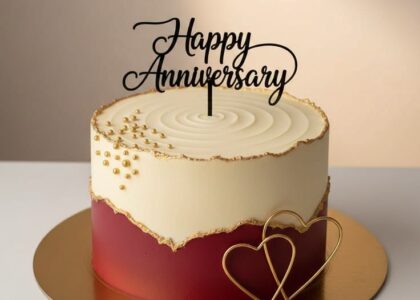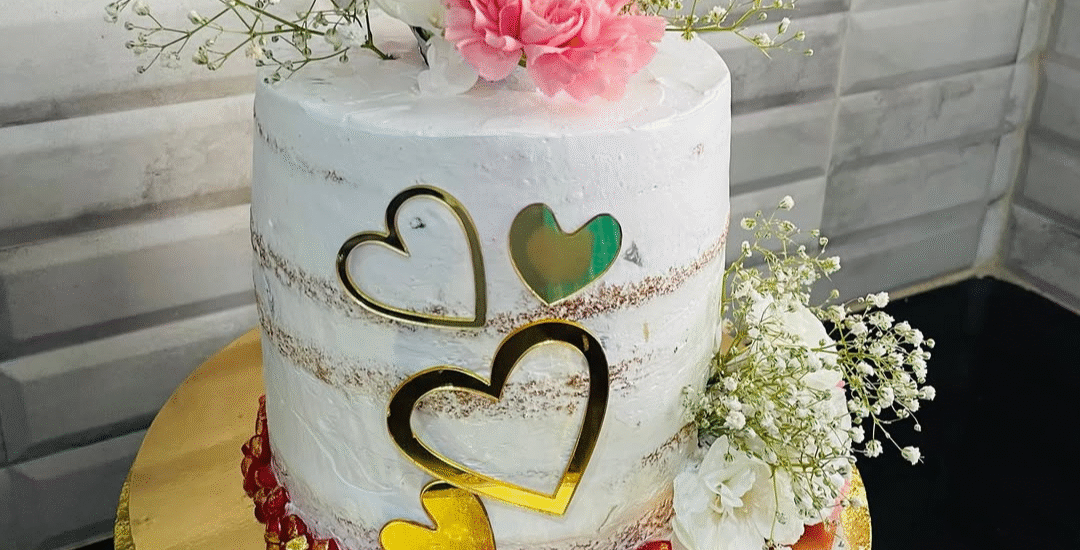
The wedding cake gets photographed more than almost anything else at the reception. Guests walk up to it before the cutting. It shows up in every wide-angle shot. And yet most couples spend a fraction of their planning time on decorate a wedding cake decisions — compared to the months spent on venue, flowers, and catering.
The result is cakes that look generic. Not because the baker wasn’t skilled, but because the decoration choices were vague — ‘something elegant’ or ‘like this Pinterest photo’ — without understanding what those choices actually involve or whether they fit the wedding.
This guide covers the main decoration techniques, what works for which styles, and the details most couples only find out about after the fact. No filler — just what’s actually useful.
The First Decision: Buttercream or Fondant
This choice matters more than most couples realise. The frosting finish determines which wedding cake decorations are even possible — so it needs to come before any decoration conversation.
Buttercream is softer, more textured, and more forgiving for handcrafted looks. Ruffles, palette-knife strokes, ombre gradients, rosettes — these work in buttercream. Fresh flowers sit naturally in it. The downside is heat. Buttercream softens quickly in warm environments, which matters a lot in Bangalore if your venue isn’t fully air-conditioned.
Fondant gives you that completely smooth, almost ceramic finish. It holds sharp edges cleanly, it’s the base for painted designs and geometric patterns, and it handles heat better than buttercream. Most people find it less enjoyable to eat on its own, which is why good bakers use a buttercream layer underneath — you get the clean fondant look without the texture complaint.
This choice also affects the wedding cake cost, since fondant designs and intricate finishes typically require more labour and materials.
There’s no right answer between the two. It depends on your decoration style, the venue conditions, and, honestly, taste preference. But locking this in early means the rest of the decoration decisions become much clearer.
Wedding Cake Decorations: What Each Option Actually Involves
These are the most common decoration approaches — with honest context on what each one requires, not just what it looks like in photos.
Fresh Flowers
Still the most popular choice, and the results can be genuinely beautiful. The practical requirement that often gets skipped: your baker and florist need to talk to each other before the flowers go anywhere near the cake. Not all flowers are food-safe. Some have pesticide treatment. Some are toxic if they come in direct contact with edible surfaces. Roses, jasmine, orchids, ranunculus, and marigolds are commonly used — but the safest approach is to have the florist confirm food safety and use picks or barriers so stems don’t touch the cake directly.
Sugar Flowers
These are made from gum paste and are 100% edible. A well-made sugar flower is genuinely hard to tell apart from a real one, especially in photographs. The advantage over fresh flowers is consistency — they hold their shape across the entire event, they travel well, and if you’re saving the top tier of your cake, they last. The cost reflects the time involved: a full sugar floral arrangement takes significantly longer than placing fresh flowers. But for couples who want the floral look without coordinating a separate florist visit on the wedding day, it’s worth it.
Gold Drip and Metallic Finishes
Gold drip is made from white chocolate coloured with gold food-grade luster dust. It works well for modern and luxury wedding styles, and it pairs cleanly with either white fondant or textured buttercream as a base. Edible gold leaf is a different effect — ultra-thin sheets applied directly to the frosting surface, creating a textured metallic look rather than a drip. Both are legitimate cake decor options, but they suit different aesthetics. The drip reads more contemporary and bold. Gold leaf feels more refined and restrained.
Fondant Patterns and Textures
This covers more ground than most people expect. Wedding cake patterns made from fondant range from clean chevron panels and geometric shapes to ruffles, lace impressions, quilted textures, and hand-painted designs. The marble finish — achieved by swirling coloured fondant into white — has become one of the most-requested looks for elegant wedding cakes over the last two or three years. It’s timeless enough not to date quickly, which matters if the photos are going to be around for decades.
Wafer Paper
Edible wafer paper gets used for ruffles, sails, petals, and sculptural elements. It’s light, modern, and can be tinted any colour. The visual effect is airy — almost like fabric or feathers depending on how it’s shaped. Good choice for couples who want something that photographs dramatically without the weight of heavy fondant work. It’s less durable than fondant though, so it needs to stay out of direct humidity or heat for extended periods.
Decorate a Wedding Cake: Matching Style to Technique
Decoration that works is that’s connected to the rest of the wedding. A cake that has no visual relationship to the flowers, the table styling, or the colour palette ends up looking like it was ordered from a separate event.
All White Wedding Cake
White is still the most-requested base, and it doesn’t have to look plain. The decoration is what separates a forgettable white cake from a genuinely striking one. A smooth fondant cake with a lace impression pattern reads completely differently from a textured buttercream white cake with hand-piped ruffles — both are all-white, but they suit different wedding aesthetics entirely. The monochromatic approach works well when the decoration has depth: varying textures, dimensional sugar work, or strategic use of flowers against the white base.
White Floral Wedding Cake
The white floral style is popular for a reason — it’s versatile, it photographs well in any light, and it ties naturally into the rest of the floral design at the venue. For it to look deliberate rather than improvised, the flowers need size variation. One large anchor bloom — a peony, a garden rose, a dahlia — works with smaller secondary flowers and greenery stems to create depth. Flowers placed in a single row around a tier or plopped on top without arrangement tend to look like an afterthought. Matching the cake flowers to the bridal bouquet and table arrangements pulls the whole event together visually.
Colourful and Personalised Designs
Ombre frosting, hand-painted tiers, bold colour-blocked florals — these are the wedding cake decorating ideas that tend to produce the most memorable cakes. The catch is that they require more coordination. A colourful cake needs to connect to the rest of the event — the colour palette, the flowers, the stationery. A bold cake dropped into a wedding with a completely different aesthetic tends to look like a mistake rather than a statement.
Simple and Minimalist
Not everyone wants elaborate decoration, and that’s completely valid. A two-tier cake with clean buttercream, three or four carefully chosen flowers, and a simple topper can be more elegant than a heavily embellished design. Minimalism done well is a deliberate choice — it requires good proportions, quality frosting, and restraint. The problem with under-decorated cakes is usually not the simplicity itself but lack of intentionality. When it looks thought-through, it works.
If you’re planning to save the top tier for your anniversary, here’s how to preserve a wedding cake so it stays fresh and safe to eat later.
Wedding Cake Design Ideas by Style
For traditional or classic weddings, fondant is the natural base — built out with lace impressions, sugar flowers, pearl details, or a clean white-on-white scheme. Modern couples tend to go the opposite direction: smooth buttercream, marble finishes, gold leaf, geometric fondant panels. Nothing overworked.
For a romantic or garden feel, fresh flowers and buttercream ruffles do most of the work. Soft cascading blooms with greenery, varying sizes, and a white or ivory base — this is where the white floral wedding cake style tends to shine. Luxury designs usually involve multiple tiers, a gold drip or metallic accent, sugar flowers, and acrylic separators between tiers — a lot is going on visually, but it needs to be coordinated rather than layered randomly.
For boho or rustic weddings, a naked or semi-naked cake with dried botanicals and textured buttercream fits without looking forced. The unfinished edges and visible sponge are the point — they suit an outdoor or barn setting in a way that a polished fondant cake simply doesn’t.
If you’re experimenting with baking yourself, learning how to make a wedding cake at home helps you understand how these decoration techniques actually work in practice.
Getting Your Wedding Cake in Bangalore
At Ank Cake Land, every wedding cake is built to order. We work through the decoration style, size, and flavour with you before we start — no standard templates, no guesswork on the design. Every cake is baked fresh for your date and delivered to your venue.
From fully decorated elegant wedding cakes with sugar flower arrangements to clean, restrained designs with a single beautiful cake finish — message us on WhatsApp to start the conversation about what you need.
FAQs
The baker and florist need to coordinate before the event — not on the day. Flowers confirmed as food-safe and pesticide-free should be placed on food-safe picks or stems that don't touch the edible surfaces directly. Ask your baker specifically which flowers they're comfortable working with and let the florist know this before they source anything.
Fondant gives you the smooth, polished finish and holds up better in heat. Buttercream is softer and more flavourful, and it suits textured and handcrafted designs better. Many cakes use buttercream underneath and fondant on the outside — you get the clean look with a better eating experience. Neither is universally better. It depends on your decoration style and venue conditions.
Sugar flower work can be prepared weeks ahead. Fresh flowers go on the day of delivery. Buttercream cakes are typically assembled 24-48 hours before and kept refrigerated. Fondant cakes can be done 2-3 days out. Always confirm the timeline with your baker based on your specific decoration — a heavily decorated fondant cake has a different lead time than a simple buttercream finish.
They shouldn't be in direct contact with any edible part of the cake. If artificial flowers are used, they need to be clearly separated from the frosting and sponge. The better option, if you want the floral look without fresh flowers, is sugar flowers — they're edible, food-safe, and look just as good.
A two-tier cake with clean buttercream and a small cluster of fresh flowers is often more visually effective than an over-decorated three-tier cake. The finish and proportions matter more than the amount of decoration. Choosing one strong design element — a single fresh flower cluster, a marble fondant finish, or a good topper — and keeping everything else simple is consistently better than trying to add multiple decoration styles at once.